

Managing several design projects at the same time can feel like a creative blessing and a logistical nightmare. Clients expect quality. Deadlines overlap. Inspiration comes at strange moments. Revisions show up right when you think you are finished. This is the reality of being a visual designer in a fast-paced industry. Fortunately, staying organized is not about being perfect. It is about building systems that support your creativity while protecting your time and mental clarity.
Below is a practical, experience-driven guide to help you stay organized, focused, and in control even when your project list gets heavy.
Start With Clear Project Scopes
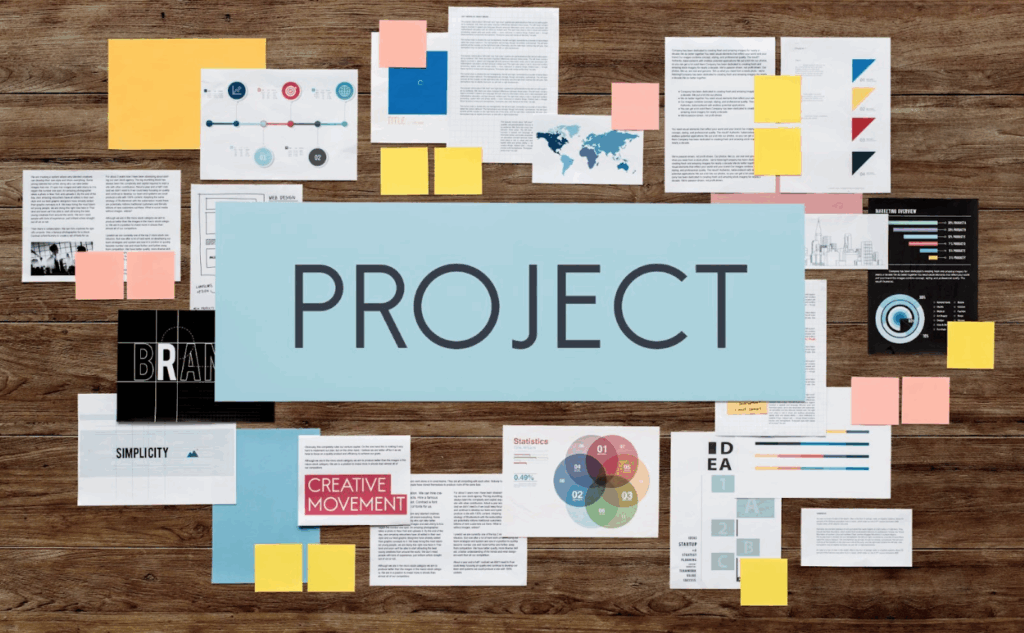
Before you open Illustrator or sketch anything on your iPad, make sure every project has a defined scope. Many designers skip this step because they want to jump straight into the creative part. The problem is that undefined work leads to confusion, delays, and scope creep.
A strong scope includes the goals of the project, the deliverables, the formats needed, the timeline, and the number of revision rounds. Once these are locked in, the rest of the project becomes smoother and easier to track. Clarity at the beginning prevents chaos at the end.
Break Large Projects Into Manageable Tasks
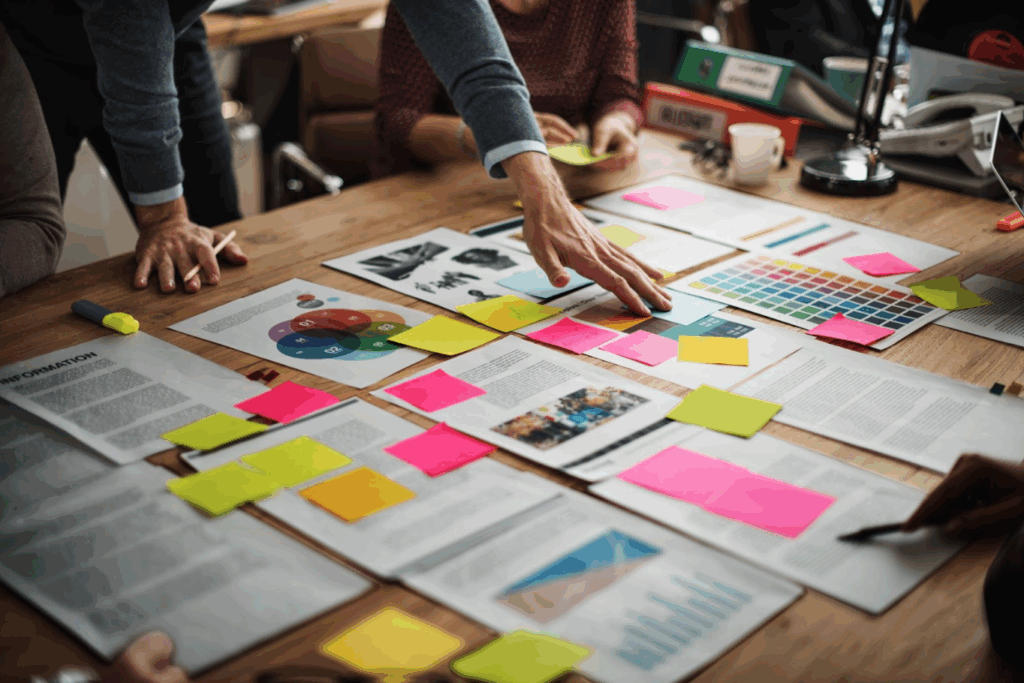
A full brand identity project or a long list of social media designs can feel overwhelming when you look at it as one giant task. Breaking everything into smaller steps keeps you focused and gives you a sense of progress.
For example, a logo design project can be divided into research, moodboarding, sketching, concept development, refinement, presentation, and final delivery. Checking off each phase creates momentum. You cannot always control the size of a project, but you can control how you approach it. Smaller tasks reduce stress and increase consistency.
Use a Project Management System That Fits Your Brain
Not every designer thinks the same way. Some prefer visual boards. Others enjoy lists. Some like timelines. The tools you choose should match how your mind prefers to process information.
You can use platforms like Notion, Trello, Asana, or ClickUp. The names of the apps are not the most important part. What matters is that you choose a system you will actually maintain. Use it to map out deadlines, track progress, store files, and communicate with clients. A well-maintained project system removes mental clutter and makes multitasking feel effortless.
Protect Your Time With a Structured Schedule

Time is the most valuable resource for any visual designer. When you manage multiple projects, a structured schedule becomes your safety net. Set specific time blocks for deep work, administrative tasks, emails, and client updates. Treat those blocks like client appointments and honor them.
One helpful technique is to begin each day by identifying your top three priorities. These should be tasks that move your projects forward in a meaningful way. Working with intention prevents you from spending the entire day reacting to messages, updates, and interruptions.
Stay Ahead of Deadlines Even When Clients Do Not
Clients do not always send feedback on time. They do not always understand how long a task takes. Because of that, you should maintain a buffer between your internal deadlines and the client’s final deadline. If the client needs everything by Friday, aim to finish on Wednesday. This gives you space to fix surprises or handle last-minute updates without stress.
Designers who stay ahead of deadlines gain trust, attract higher-paying clients, and avoid burnout.
Keep Your Files Organized and Easy to Access
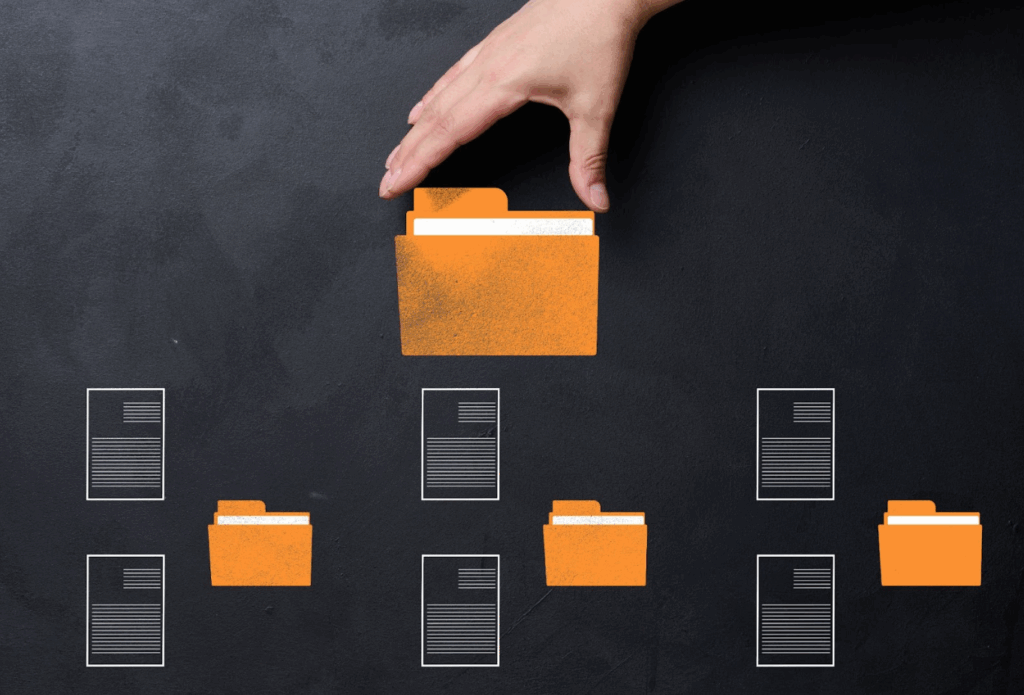
A cluttered workspace leads to a cluttered mind. The fastest way to lose hours is searching through random folders for the right file. Create a consistent naming system for all clients. Use clear folder structures. Archive old versions in a separate folder. Keep your working files clean and labeled.
Good file hygiene saves time and allows you to move seamlessly between projects. It also makes handoffs to clients or collaborators fast and professional.
Communicate Early and Often

When juggling several projects, communication is your greatest ally. Let clients know your timelines. Share progress regularly. Confirm details before you begin major tasks. Clear communication reduces misunderstandings and revisions.
Good communication also sets boundaries. Clients respect designers who communicate confidently because it shows reliability. A strong communication rhythm keeps projects moving and prevents small misalignments from becoming big problems.
Use Templates to Save Time and Maintain Consistency
Every designer has tasks that repeat across projects. Creating templates for briefs, moodboards, presentations, social media layouts, or brand style sheets frees up your time for creative thinking. Templates are not shortcuts. They are efficiency tools.
They also help maintain consistency across your work. When your process is consistent, your results become more polished and professional.
Learn to Prioritize Based on Impact Rather Than Emotion
Some tasks feel urgent because they are stressful or unclear, but not all of them move the project forward. Prioritizing based on impact helps you focus on what truly matters. Ask yourself which task has the greatest influence on the success of the project or the ability to move to the next phase.
This mindset helps you avoid wasting time on low-value tasks while important work waits in the background.
Make Space for Creative Refueling

Organization is not just about schedules and apps. It is also about making room for your creativity. When you are drained, your work suffers even if your system is perfect. Take breaks. Step outside. Refresh your mind. A clear mind solves problems faster than a tired one.
Creativity flows best when the designer is balanced. Protecting your energy is part of staying organized because your mental clarity affects your ability to work efficiently.
Final Thoughts
Staying organized while managing multiple design projects is a skill that grows with practice. The goal is not to be rigid. The goal is to create structure so your creativity can breathe. With strong systems, clear communication, intentional scheduling, and healthy habits, you will find that even your busiest seasons become manageable.
Great designers produce great work. Organized designers produce great work consistently. When you combine both, you become unstoppable.

- The Art of Storytelling Through Graphic Design - January 28, 2026
- Why Branding Matters: A Designer’s Perspective - December 30, 2025
- How to Stay Organized While Juggling Multiple Design Projects - December 1, 2025
0 Comments