
Paid ads are evolving faster than ever, which means the tactics that worked even a year ago won’t guarantee the same results today. Machine learning is sharper, consumers are more selective, and platforms are changing the rules in real time. Marketers who want to stay ahead need to understand where the industry is heading, not where it has already been.
So here is a look at the biggest paid ads trends shaping 2026 and how brands can take advantage of them.
AI Targeting Is Getting Smarter, But Creativity Matters More
In 2024 and 2025, platforms pushed advertisers toward broad targeting. By 2026, this approach will not only be encouraged, it will be standard. Meta, Google, and TikTok are all leaning harder into AI-driven systems that decide who should see your ads based on behavior signals instead of demographics.
It sounds like a dream. Less audience guesswork, more machine intelligence. But there is a catch. AI can only do its job if you feed it strong creative. The algorithm cannot save weak visuals or copy. Campaigns will perform best when brands combine AI efficiency with creative that feels human, emotional, and unforgettable.
The real winners of 2026 will be brands that create scroll-stopping content that gives the algorithm something to work with.
The Rise of Predictive Personalization
Consumers want ads that feel relevant without feeling invasive. That balance used to be difficult, but predictive personalization is finally reaching a place where it feels natural. Platforms are beginning to understand what users want before they search for it. Not in a creepy way, but in a behavior-driven way.
Imagine a user watching three videos on home workouts. The platform predicts what type of fitness product they are likely to purchase, serves variations of creative that match their habits, and tests messaging against their engagement patterns. This level of predictive personalization will become a core part of ad strategy.
For marketers, the shift means planning campaigns with more variations. Brands should create multiple angles, multiple hooks, and multiple visuals that allow the algorithm to match messaging to the right viewer.
Short Form Video Dominates, But Not All Video is Equal
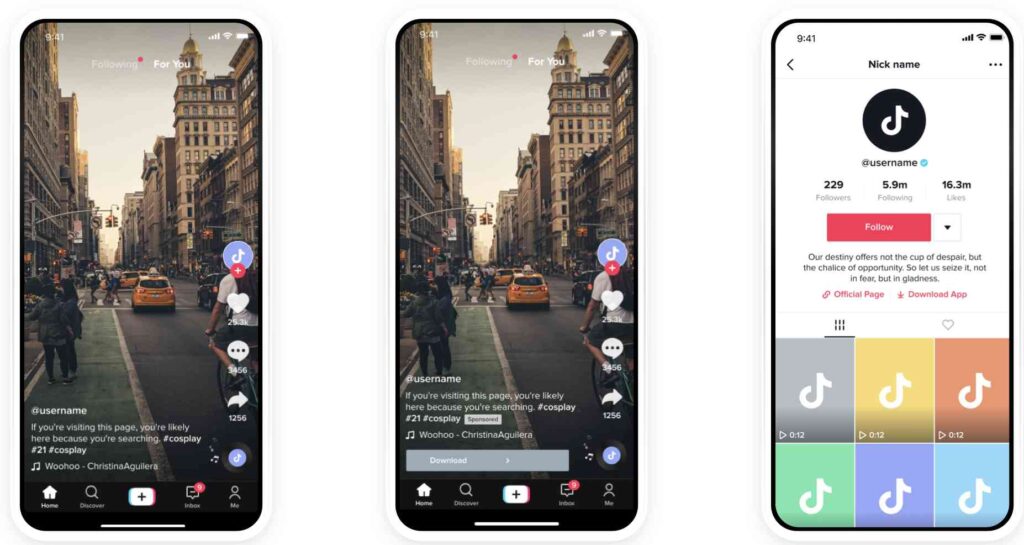
By 2026, short-form video will no longer be just one option. It will be the default format for most campaigns. TikTok, Instagram Reels, and YouTube Shorts are pushing harder into ad placements that feel native and creator-driven.
The twist is that viewers no longer respond to overly polished content. They want ads that feel real. Not sloppy, but authentic. The strongest performers will be creative that feels like it belongs in the feed. Behind the scenes, conversational talking videos, and light humor will outperform traditional promo-style ads.
Even high-end brands will shift toward controlled imperfection because it is more relatable and more effective.
Creators Become Integrated Into Ad Strategy, Not an Afterthought
Influencer fatigue is real, but creator-driven ads are not going anywhere. The difference in 2026 is how brands use creators. Instead of one-off partnerships, companies will rely on always-on creator programs. The goal is to maintain a steady pipeline of user-driven content that can be repurposed across platforms.
Creators are no longer just collaborators. They are part of the media machine. Their content becomes ad creative. Their voice becomes part of brand storytelling. Their authenticity becomes your conversion tool.
Brands that treat creators like assets instead of accessories will see stronger results, higher engagement, and more trust from their audience.
Search Ads Are Becoming Visual Experiences
Search is no longer just text on a results page. Google and other engines are evolving into visual-first discovery platforms. AI-generated product mockups, carousel-style search placements, and immersive shopping previews are becoming standard.
This shift means marketers will need to treat search like social. Keywords still matter, but visuals matter more. Product photos, videos, and quick comparison graphics will influence clicks in a way plain text never could.
The brands that adapt quickly will have a huge advantage over competitors who still view search through a 2018 lens.
Measurement Gets Harder, So Strategy Gets Sharper

Tracking is becoming more fragmented. Privacy updates, cross-platform shifts, and data gaps are forcing marketers to move away from single-metric decision making. The old way of listing ROAS as the only measure of success is over.
Brands will need a more holistic view. Multi-touch attribution, incremental lift testing, and blended metrics will become part of everyday strategy. Instead of asking which ad worked, marketers must begin asking why it worked and how each touchpoint influenced the customer journey.
It may feel more complex, but it leads to better decisions and stronger results.
What It All Means for Marketers
Paid ads in 2026 will reward creativity, adaptability, and experimentation. AI will continue automating more of the behind-the-scenes work, but it will not replace human strategy. The most successful brands will focus on storytelling, clarity, and emotional intelligence.
At the end of the day, technology can help you reach the right people, but only your creative can convince them to care.
- The Real Drivers of TikTok Ads Performance - January 20, 2026
- 5 Ad Strategies to Try in 2026 - December 12, 2025
- The Biggest Paid Ads (PPC) Trends Shaping 2026 - November 14, 2025
0 Comments