

Branding is often misunderstood as just a logo or a color palette. From a designer’s perspective, branding is much deeper than visuals. It is the emotional and psychological relationship between a business and its audience. It shapes how people feel, what they expect, and whether they trust a brand enough to engage with it. Good branding does not just make a business look good. It makes it recognizable, believable, and memorable.
In a world where consumers are constantly scrolling, clicking, and comparing, branding is what makes a business stand out long after the screen is closed.
Branding Creates First Impressions That Last

Before a customer reads a single word of copy or understands what a business offers, they see the brand. Colors, typography, layout, and imagery work together to form an immediate impression. As a visual designer, this moment is critical. People decide within seconds whether something feels professional, trustworthy, or worth their attention.
A strong brand ensures that this first impression is intentional. Without branding, visuals feel random and disconnected. With branding, every design choice supports a larger story and purpose. A clean and refined visual system communicates confidence. A playful and bold identity signals creativity and approachability. Branding gives businesses control over how they are perceived from the very first interaction.
Branding Builds Trust and Credibility

Consistency is one of the most powerful tools in branding. When a brand looks and feels the same across all platforms, it signals reliability. Customers feel safer engaging with businesses that appear polished and intentional.
From a designer’s perspective, this consistency is achieved through a strong visual system. This includes logo usage, typography rules, color application, spacing, and imagery style. When these elements are used correctly and repeatedly, the brand becomes familiar. Familiarity builds trust, and trust drives action.
Inconsistent branding creates doubt. If a brand’s website feels professional but its social media looks disorganized, users may question the legitimacy of the business. Strong branding removes that uncertainty.
Branding Communicates Values Without Words
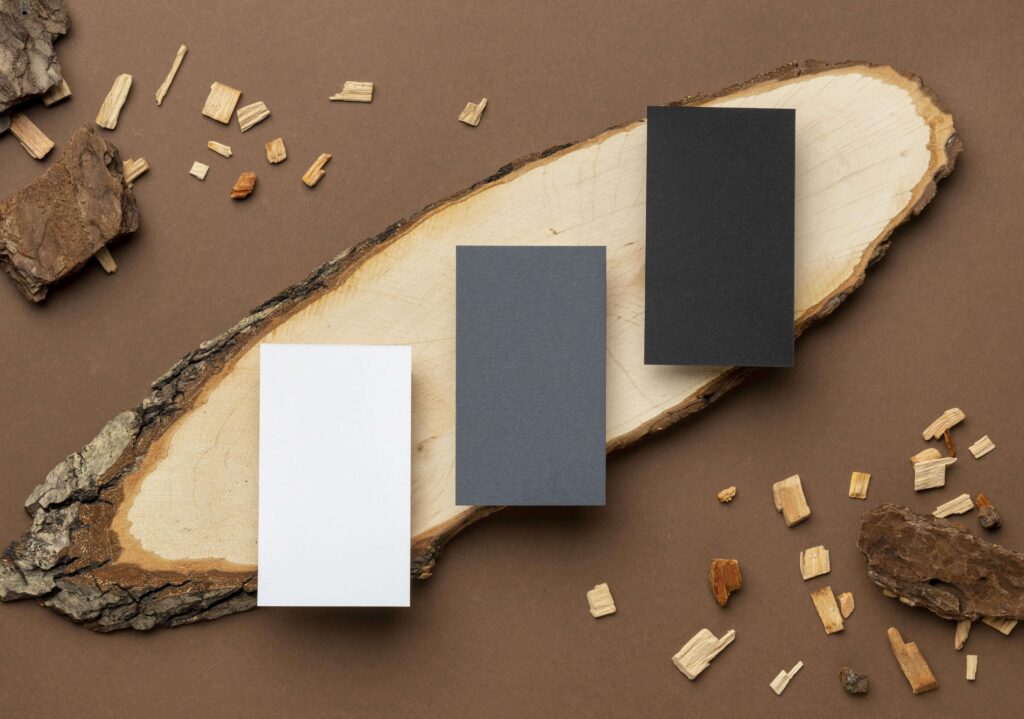
One of the most powerful aspects of branding is its ability to communicate values without speaking. Design choices send signals. Minimalist layouts suggest clarity and focus. Earthy tones may imply sustainability and care. Bold typography can express confidence and leadership.
As designers, we understand that visuals carry meaning. Branding allows businesses to align those meanings with their mission. When done right, the audience understands what a brand stands for before reading a mission statement.
This is especially important for modern consumers who want to support brands that reflect their beliefs and lifestyles. Branding helps create that emotional alignment.
Branding Differentiates You in a Crowded Market

No matter the industry, competition is unavoidable. Branding is what separates one business from another when products or services are similar. From a design standpoint, differentiation comes from intentional creative decisions that are rooted in strategy, not trends.
A strong brand identity is not about copying what is popular. It is about understanding the audience and creating a visual language that feels authentic and distinct. When branding is done well, people recognize it instantly. They remember it. They choose it.
Designers play a key role in this process by translating strategy into visuals that feel unique and purposeful.
Branding Creates Emotional Connection

People do not connect with businesses. They connect with stories, emotions, and experiences. Branding provides the framework for that connection. Through visuals, tone, and consistency, a brand can make people feel inspired, understood, or confident.
As visual designers, our job is to create those emotional touchpoints. Every interaction, whether it is a website, a package, or a social post, contributes to how someone feels about the brand. Over time, these moments build loyalty.
Strong branding turns customers into advocates. It makes them feel part of something larger than a transaction.
Branding Supports Long-Term Growth

Good branding is not short-term decoration. It is a long-term investment. A well-built brand grows with the business. It adapts to new platforms, new audiences, and new opportunities without losing its identity.
From a design perspective, scalable branding is flexible yet consistent. It allows businesses to expand without needing to reinvent themselves constantly. This saves time, money, and creative energy in the long run.
Businesses that invest in branding early often experience smoother growth and stronger recognition over time.
The Designer’s Role in Branding

Designers do more than make things look good. We translate strategy into visual systems that communicate clearly and consistently. We think about how a brand lives across touchpoints and how real people experience it.
Branding requires collaboration, research, and empathy. It is not about personal style. It is about solving communication problems through design. When designers and businesses align on purpose, branding becomes a powerful tool rather than just an aesthetic layer.
Final Thoughts

Branding matters because it shapes perception, builds trust, and creates connection. From a designer’s perspective, branding is the foundation that holds every visual decision together. It turns scattered visuals into a cohesive identity and transforms businesses into recognizable brands.
In a competitive and fast-moving world, branding is not optional. It is essential. Businesses that understand this and invest in thoughtful design position themselves for long-term success. Designers who understand branding do more than create visuals. They help build experiences that people remember and believe in.

- The Art of Storytelling Through Graphic Design - January 28, 2026
- Why Branding Matters: A Designer’s Perspective - December 30, 2025
- How to Stay Organized While Juggling Multiple Design Projects - December 1, 2025
0 Comments